
Salavatski Russian Pomegranate
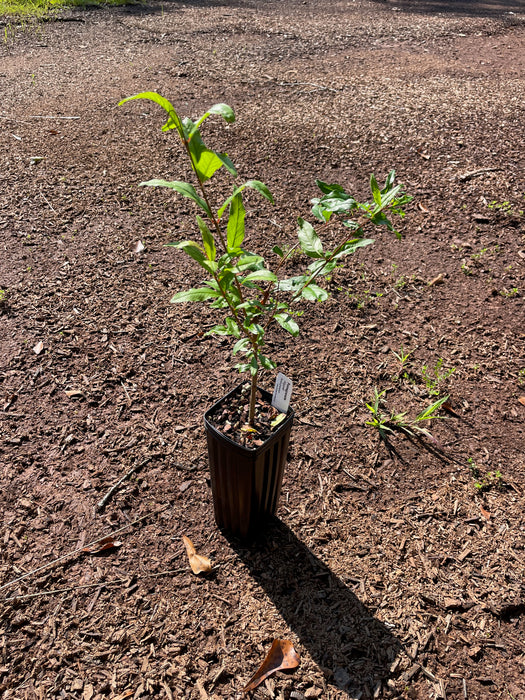
🌿 Ships well rooted in a 3.5 x 9 inch deep pot with a well established root system and ready to plant! May arrive dormant and without leaves/foliage December - April.
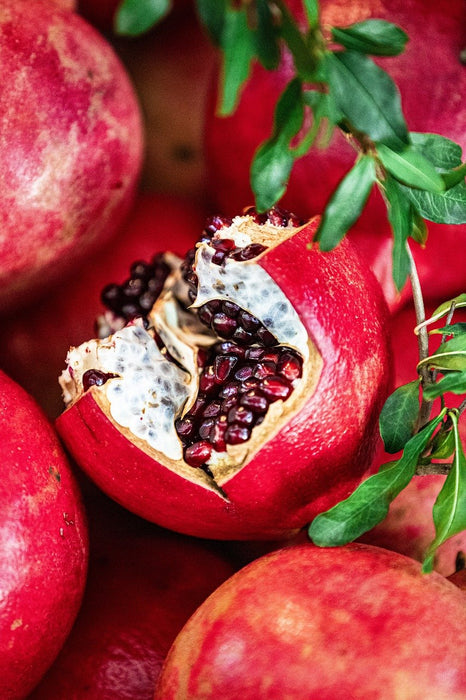
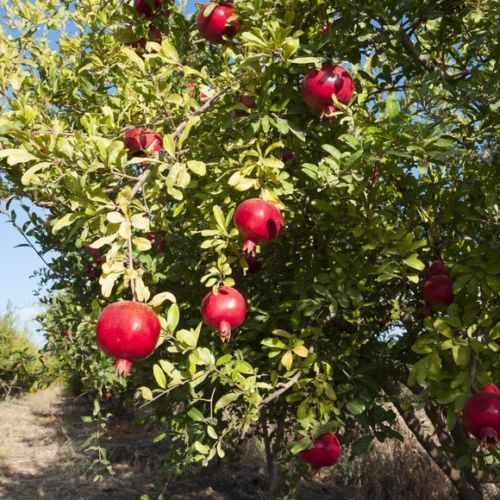
This is a heritage landrace from Turkmenistan, not a bred hybrid, selected over generations for cold tolerance alongside fruit quality, and it’s become the benchmark variety for cold-climate pomegranate growing in North America. Documented surviving down to approximately 10 degrees F, it thrives in Zone 8a with no fuss at all. The fruit is large, orange-red skinned, and arrives in fall with sweet-tart arils that are exceptional fresh, juiced, in salads, and in everything you’d expect from a great pomegranate. The reddish-orange blooms in late spring and early summer are ornamentally stunning in their own right, drawing bees from a distance. It’s self-fertile, begins bearing as early as year two or three, and once established handles drought without significant yield loss. For a food forest or home orchard in the Southeast, this is the pomegranate to plant.
One thing to watch: anthracnose and fruit rot can be issues in wet, humid conditions during fruit development. Good airflow, well-drained soil, and timely harvest when fruit is heavy and deep red go a long way toward preventing losses.
🌿 Latin Name: Punica granatum ‘Salavatski’
🌞 Light: Full sun; minimum 6 to 8 hours for best fruit production
🌱 Soil: Well-drained, adaptable; tolerates sandy, loamy, and clay soils; slightly acidic to neutral pH preferred
💧 Water: Consistent moisture during establishment and fruit development; drought-tolerant once established; deep watering during fruiting improves yield and size
📏 Mature Size: 10 to 15 ft tall; multi-stemmed shrub or small tree; responds well to pruning and shaping
🍎 Fruit: Large, orange-red skin; bright red sweet-tart arils; excellent fresh, juiced, or processed; harvest late September through October when skin deepens and fruit feels heavy
🌸 Bloom Time: Late spring to early summer; reddish-orange flowers
🗺️ Hardiness Zone: 6 to 11 (one of the most cold-hardy pomegranate varieties available)
✅ Self-Fertile: Yes; sets fruit without a second tree
🐝 Wildlife Value: Attracts bees during bloom